
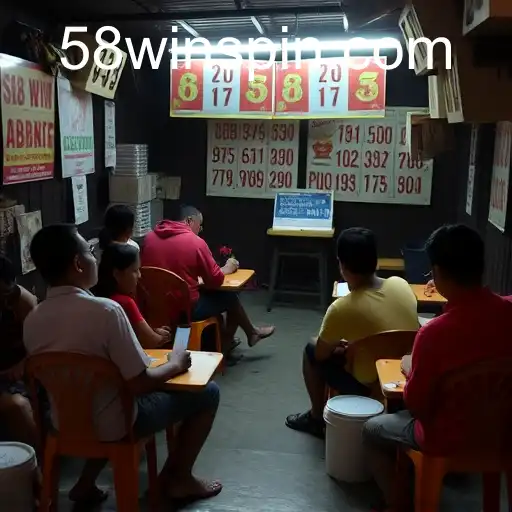
58WIN | Jueteng: An In-depth Look at the Underground Lottery and Its Impact
58WIN’s Understanding the intricacies of Jueteng and its connection to 58WIN in the context of Philippine society.
What is Jueteng?
Jueteng is an illegal numbers game that has been deeply entrenched in Filipino culture and society. Originating in the Philippines during the Spanish colonial period, it has continued to operate underground despite numerous government efforts to eradicate it. Jueteng draws significant participation from various sectors of society, offering a simple form of gambling with an allure of instant wealth.
The Mechanics of Jueteng
The game involves the selection of two numbers, typically ranging from one to thirty seven or thirty eight, hence the relation to "58WIN." The winning numbers are drawn, and those who have placed bets on the correct combination win a prize. The prize money is determined by the total amount wagered and the number of winners. What makes jueteng particularly enthralling is its simplicity and the low-cost entry, enticing many to participate despite the risks involved.
The Underground Nature of Jueteng
Jueteng operates outside of government-sanctioned gambling institutions, making it difficult to regulate and monitor. It is often managed by a network of individuals known as "kobradores" and "cabo," who collect bets and distribute winnings. Despite its illegal status, jueteng thrives due to the lack of strict enforcement and the socio-economic conditions that encourage its proliferation.
The Socio-Economic Role of Jueteng
For many Filipinos, particularly those in impoverished communities, jueteng is not just a form of entertainment but a financial lifeline. The possibility of winning a substantial amount can be an enticing prospect for those living below the poverty line. However, this also perpetuates the cycle of poverty, as individuals often spend significant portions of their income on betting rather than essential needs.
The Political Influence of Jueteng
Jueteng has been a controversial issue in Philippine politics. Various political figures have been accused of receiving bribes from jueteng operators in exchange for protection. This has led to political scandals and investigations, undermining public trust in government institutions. The allure of easy money not only attracts everyday citizens but also members of law enforcement and public officials, who may turn a blind eye in exchange for a share of the profits.
Efforts to Combat Jueteng
The Philippine government has made several attempts to curtail jueteng operations through raids and arrests. Despite these efforts, the game continues to thrive, as operators adapt quickly to enforcement strategies. The introduction of legal lottery systems was intended to provide an alternative to jueteng, yet the underground game remains popular, highlighting the challenges in changing deep-rooted behaviors and traditions.
The Cultural Significance of Jueteng
Beyond its economic implications, jueteng holds cultural significance in the Philippines. It is often integrated into local festivals and social gatherings, serving as a bonding activity among community members. This cultural acceptance makes it difficult to fully eliminate jueteng from society, as it has become a part of everyday life for many Filipinos.
Jueteng and Crime Rate
While jueteng itself is a non-violent activity, it is often associated with organized crime due to the need for protection and enforcement of operations. This connection to criminal syndicates poses additional challenges in addressing the issue, as it involves dismantling complex networks that have vested interests in maintaining the status quo.
The Role of Technology in Jueteng
With the advancement of technology, jueteng has also evolved. Online platforms and mobile applications have allowed operators to reach a wider audience while complicating enforcement efforts. These technological adaptations demonstrate the resilience and adaptability of the jueteng operators in keeping the game alive despite legal and political opposition.
The Impact of Globalization
Globalization has brought about changes in many industries, and jueteng is no exception. The influence of technology and the internet has allowed for wider dissemination of information and easier access to gambling platforms. This has also led to the introduction of international players in the local gambling scene, which can further complicate efforts to regulate and control illegal gambling activities such as jueteng.
Conclusion
Despite continuous efforts to curtail it, jueteng remains a stubborn presence in Filipino society. Its deep historical roots, cultural significance, and economic impact make it a complex issue that cannot be easily eradicated. Addressing jueteng requires a multifaceted approach that considers the socio-economic realities of the population, law enforcement challenges, and the cultural context in which it thrives. As the situation evolves, particularly with influences like 58WIN and technological advancements, the dialogue surrounding jueteng will likely continue for years to come.
